
Company Blog
Evaluating the ROI and Environmental Benefits of Reusable Textiles in Healthcare
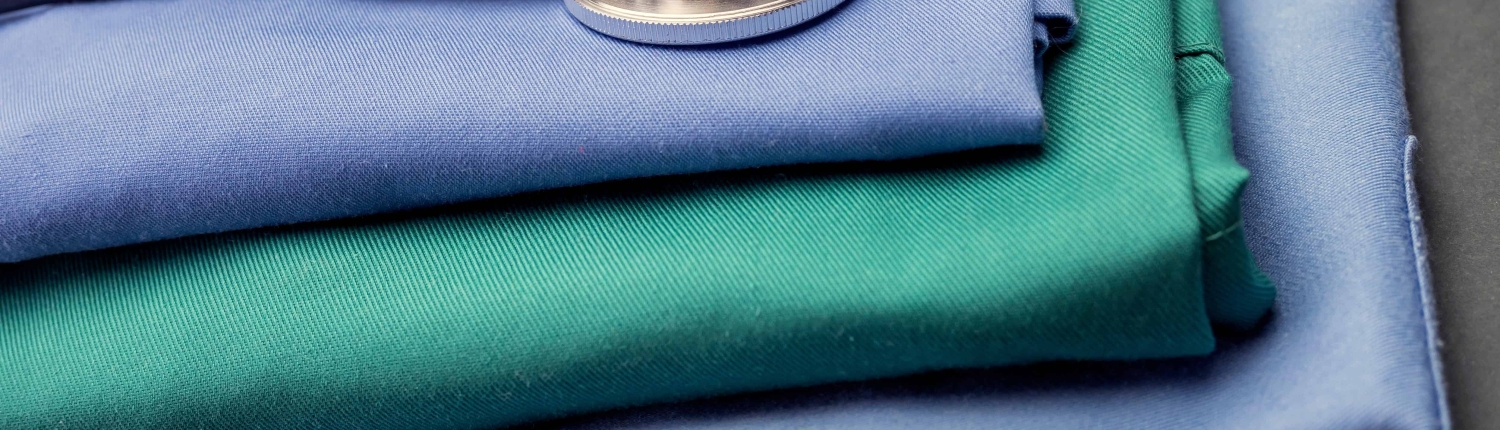
If you run a healthcare facility, you already know how carefully every supply decision gets scrutinized. Budgets are tight, operations are complex, and everything ultimately comes back to patient care. It is easy to overlook something as routine as the textiles moving through your facility every day.
But patient gowns, sheets, towels, and procedure linens add up fast. For many organizations, the default has been disposables. Paper gowns, single-use drapes, throwaway linens. It feels like the simpler choice, but more healthcare leaders are discovering it is not always the smarter one.
At Medtegrity, we have seen firsthand how reusable textile programs deliver real financial savings and meaningful environmental benefits for healthcare organizations of all sizes. Before writing off reusables as an operational headache, it is worth understanding what they actually offer.
The Ongoing Cost of Disposable Textiles
Disposable paper gowns and drapes may appear economical at first glance, but they create a recurring purchasing cycle that adds up quickly. Every patient encounter requires a new product, which means your facility is constantly managing:
- Reordering supplies to keep up with patient volume
- Storing bulk inventory that takes up valuable space
- Disposing of used products, which carries its own cost and environmental impact
Reusable textiles follow a different model. Gowns, sheets, and blankets stay in circulation across many service cycles, spreading the cost of each textile across multiple uses rather than a single patient visit.
A 2023 study published in JAMA Network Open found that transitioning to reusable surgical gowns generated measurable cost savings per procedure while significantly reducing solid waste.
At Medtegrity, we help healthcare organizations build reusable textile programs that are practical, cost-effective, and built for real clinical environments.
Durable Textiles Designed for Healthcare Use
Reusable medical textiles are specifically designed for healthcare environments. Materials used in patient gowns, bed linens, and blankets must balance durability with comfort.
Many healthcare linens use cotton and polyester blends engineered to withstand repeated laundering while maintaining softness and structure. These fabrics allow textiles to move through multiple processing cycles without losing performance.
This durability contributes to the financial value of reusable programs. Instead of replacing garments constantly, facilities rely on textiles built for repeated use.
Reusable linens also tend to provide more consistent coverage and comfort than disposable alternatives. Patients often notice the difference in how gowns fit and how sheets or blankets feel during their visit.
Waste Reduction and Environmental Considerations
Healthcare facilities generate large volumes of waste every day. Disposable textiles contribute significantly to that waste because they are designed for single use.
Paper gowns, disposable drapes, and other single-use materials must be discarded after each patient encounter. In busy facilities, this can result in substantial amounts of waste leaving the building each day.
Reusable textiles reduce that waste by remaining in service for extended periods. Instead of being thrown away after one use, the same gown or linen can be processed and returned to service many times.
While professional laundering requires water and energy, reusable programs often reduce the total volume of disposable materials entering waste streams. For healthcare organizations working toward sustainability initiatives, reusable textiles can play a role in lowering environmental impact.
Why Healthcare Laundry Standards Matter
Reusable textile programs depend on proper processing. Healthcare linens must be handled in facilities designed to manage medical textiles safely and consistently.
MEDtegrity connects healthcare providers with a national network of HLAC Accredited or TRSA Hygienically Clean laundry facilities. Facilities within the network meet one accreditation or the other, representing recognized healthcare laundry standards.
These accreditations support consistent textile processing:
- HLAC Accreditation evaluates how laundry facilities are designed and operated, including workflow separation, equipment maintenance, and operational controls specific to healthcare textiles.
- TRSA Hygienically Clean certification verifies through documented testing that textiles meet established cleanliness benchmarks.
These frameworks help ensure reusable textiles are returned hygienically clean and ready for use in healthcare environments.
Operational Benefits of Reusable Textile Programs
Reusable textile programs can also simplify daily supply management. Rather than tracking disposable inventory constantly, facilities receive linens through structured service cycles.
Common operational advantages include:
- Scheduled linen deliveries
- More predictable inventory levels
- Reduced need for large on-site storage areas
- Less time spent monitoring supply orders
This approach allows healthcare teams to focus on patient care instead of managing supply shortages or excess inventory.
MEDtegrity Helps Healthcare Organizations Implement Reusable Textile Programs
Healthcare organizations evaluating the reusable medical textiles benefits often want to understand how reusable programs can be implemented effectively.
If your organization is exploring ways to reduce waste, improve cost predictability, and maintain hygienically clean linens, MEDtegrity can help. Contact MEDtegrity to learn how reusable textile programs can support both operational efficiency and responsible resource management in your healthcare facility.
