
Company Blog
Patient Comfort in Healthcare: The Role of Premium Gowns and Linens
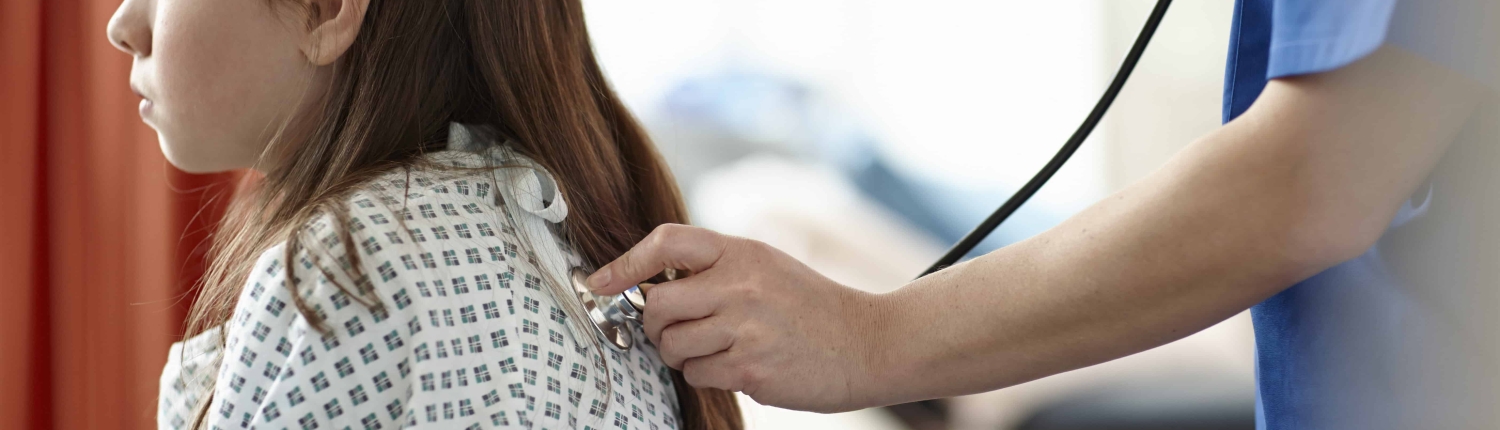 Patient comfort isn’t some fuzzy, nice-to-have metric. It directly shapes how people experience their care, what they remember about their visit, and what they tell others afterward. Medical Directors know this: comfort now matters just as much as safety and clinical outcomes when it comes to patient satisfaction and your facility’s reputation.
Patient gowns and linens are right there during the most vulnerable moments. When patients feel exposed, uncertain, or anxious, the quality of these textiles matters more than you’d think.
How soft the gown feels, whether the blanket provides actual warmth, how well these items have been cared for, all of it affects how patients perceive their care.
How Patient Gowns Influence Anxiety During Care
Many patients arrive already tense. Appointments, scans, and treatments carry emotional weight, even when the procedure itself is routine. Once patients change into a gown, that tension often increases. The gown signals a loss of control and privacy.
A stiff, thin, or worn patient gown amplifies that discomfort. Patients become more aware of their surroundings and less focused on instructions or reassurance. By contrast, soft, well-constructed gowns help reduce that sensory stress. They provide:
- Coverage that maintains dignity and privacy
- Warmth that reduces physical discomfort during waiting periods
- A sense of being cared for rather than processed through a system
Comfort does not remove anxiety entirely, but it lowers the baseline. That matters during imaging, long treatments, and any situation where patients must remain still or wait alone.
Why Linens Shape How Patients Judge Care Quality
Patients are rarely able to evaluate clinical quality directly. Instead, they assess what they can see and feel. Cleanliness. Order. Comfort. Attention to detail. Linens touch nearly every patient interaction, which gives them outsized influence on perception.
Smooth sheets on an exam table, a blanket that feels substantial, or a gown that fits properly all contribute to a sense of professionalism. When those elements are missing, patients notice. Even excellent clinical care can feel less reassuring when the physical environment feels neglected.
Over time, these impressions shape how patients describe their experience to others. Linens rarely appear in reviews by name, but they influence whether a visit is described as calm, respectful, or uncomfortable.
The Relationship Between Gown Quality and Operational Standards
Patient gowns aren’t just about comfort, they reflect your operational decisions around sourcing, laundering, and replacement standards. High-quality gowns hold their shape and softness through repeated use. Lower-grade options break down quickly, creating inconsistency that patients notice.
When gowns vary in thickness, fit, or condition from visit to visit, patients experience that inconsistency directly. They start to wonder: if the basics aren’t consistent, what else might be inconsistent?
Consistency in gown quality signals to patients that:
- Care standards apply equally to every visit, not just certain departments
- Attention to detail extends beyond clinical procedures
- Their comfort and dignity matter at every touchpoint
Medical Directors who prioritize this consistency understand that gowns and linens are part of the visible care system patients interact with every day.
Why Professional Laundering Affects Comfort Over Time
Patients do not think about wash formulas or processing standards when they put on a gown. They feel the outcome of those decisions instead. A gown that pulls at the shoulders, feels stiff against the skin, or has lost its weight and softness tells a story the patient never hears explained.
Those changes happen gradually. Fabrics break down when laundering is inconsistent or not designed for healthcare textiles. Fibers tighten. Surfaces become rough. Linens lose the qualities that once made them comfortable. By the time a patient notices, the damage is already done.
That is why professional healthcare laundering matters. MEDtegrity connects providers with a national network of HLAC Accredited or TRSA Hygienically Clean laundry facilities, each operating under recognized healthcare laundry standards. Facilities within the network meet one accreditation or the other, ensuring garments are handled with defined controls rather than general laundry practices.
When gowns and linens move through these environments, they age more predictably. They hold their feel longer. Patients encounter consistency instead of surprise. Over time, that consistency becomes part of how care is experienced, even if patients never consciously identify why.
How Improved Comfort Supports Patient Feedback and Reviews
Patient feedback increasingly shapes how practices are evaluated. While reviews may focus on staff or wait times, comfort influences the tone behind those comments.
When patients feel physically at ease, they are more likely to describe care as attentive and professional. When discomfort stacks up, even small frustrations feel larger. Premium patient gowns and linens support a smoother emotional experience, which carries through to how patients describe their visit afterward.
For Medical Directors focused on patient satisfaction scores, comfort is a practical lever that does not require changing clinical workflows.
Making Comfort a Deliberate Part of Care Delivery With MEDtegrity
For healthcare leaders looking to strengthen patient experience without disrupting operations, linens are a meaningful place to focus.
If your organization is evaluating how patient gowns and linens support comfort and perception, MEDtegrity can help. We connect healthcare providers with a national network of HLAC Accredited or TRSA Hygienically Clean laundry facilities, supporting patient textile programs designed for consistency, comfort, and professional healthcare environments.
