
Company Blog
How Different Healthcare Departments Use Linens Differently
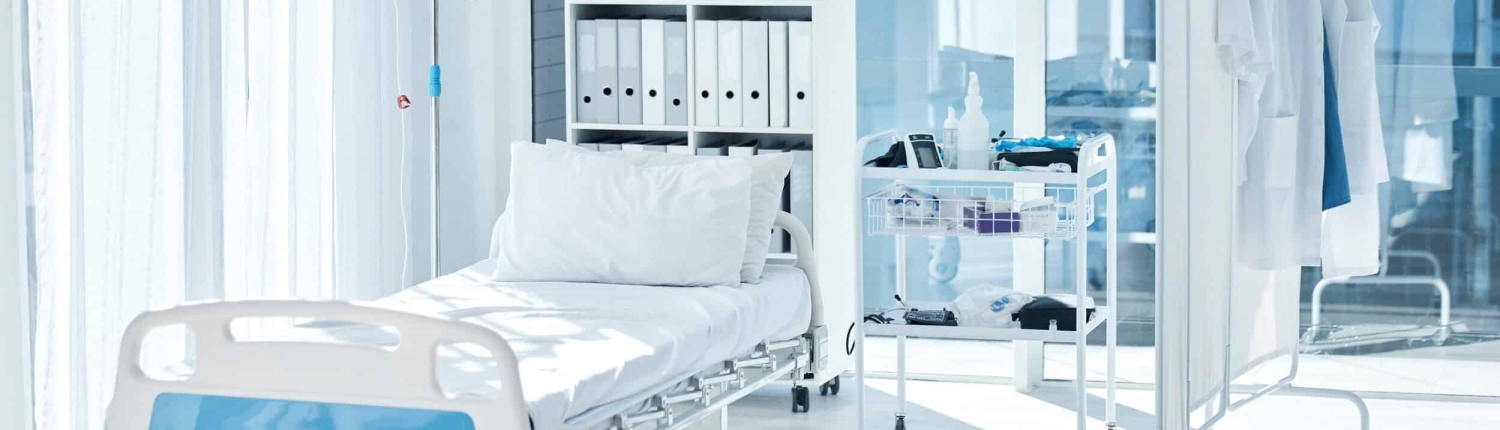
It is easy to think of medical linens as a single category, but healthcare facilities know that isn’t how they are used in practice. A patient gown in an imaging center serves a different purpose than one used in an outpatient procedure room. Likewise, the towels and sheets needed in a primary care office are not necessarily the same as those required in an urgent care clinic.
For healthcare organizations with multiple departments or locations, assuming every area should receive the same linen inventory can create unnecessary challenges. A successful healthcare linen service takes into account how each department functions and supplies textiles that support those daily activities.
Primary Care Offices: Focused on Everyday Patient Visits
Primary care practices typically see a steady schedule of appointments throughout the day. While patient turnover is frequent, many visits require only a limited selection of reusable textiles.
Commonly used products include:
- Patient gowns for examinations
- Exam table sheets
- Pillowcases where appropriate
- Towels for clinical use
Because appointments are generally scheduled in advance, inventory planning often centers on maintaining enough products to support consistent room turnover without occupying excessive storage space.
Imaging Centers: Supporting Patient Comfort During Diagnostic Procedures
Imaging departments often have different requirements than traditional exam rooms.
Patients may need to change into gowns before diagnostic testing, and some procedures require patients to remain still for extended periods. As a result, these departments may rely on a combination of:
- Patient gowns
- Sheets
- Blankets
- Pillowcases
The number of gown changes throughout the day can also vary depending on the types of imaging services being provided. Reviewing actual usage helps ensure inventory reflects patient flow rather than assumptions.
Outpatient Surgery Centers: Coordinating Around Procedure Schedules
Outpatient surgery centers operate according to carefully planned procedure schedules, making dependable linen availability essential throughout the day.
These facilities commonly require:
- Patient gowns
- Flat sheets
- Contour sheets
- Draw sheets
- Blankets
- Towels
Unlike other departments, demand often rises and falls with the surgical schedule. Coordinating deliveries and inventory with anticipated procedure volume helps support efficient daily operations.
Healthcare textile processing standards call for the provider and customer to jointly determine par levels for the facility, with an inventory management system that ensures an adequate supply of clean textiles to meet the customer’s needs, including documented plans for situations where increased need is anticipated.
Urgent Care Clinics: Preparing for the Unexpected
Urgent care facilities rarely experience the same level of predictability as scheduled practices.
Patient needs can change quickly from one hour to the next, requiring staff to be prepared for a wide range of situations. Depending on the services provided, urgent care centers may use:
- Patient gowns
- Sheets
- Towels
- Underpads
Because patient volume can fluctuate throughout the day, maintaining an appropriate inventory without overstocking becomes an important part of managing reusable healthcare textiles.
Specialty Clinics: Matching Products to Clinical Services
Specialty practices often develop linen requirements based on the care they provide rather than the size of the facility.
For example:
- Women’s health clinics may use patient gowns throughout the day.
- Orthopedic practices may rely on towels and examination linens during treatments.
- Cardiology offices may have different textile needs than dermatology or pain management clinics.
Instead of applying one standard inventory across every specialty, facilities benefit from evaluating how each department actually uses reusable textiles.
Why One Linen Program Doesn’t Fit Every Department
Even within the same healthcare organization, no two departments operate exactly alike.
A successful healthcare linen service considers factors such as:
- Types of patient visits
- Frequency of gown changes
- Procedure schedules
- Available storage space
- Department-specific workflows
Building flexibility into a linen program allows each area to receive the products it uses most while maintaining consistency across the organization.
That approach can improve organization, reduce unnecessary inventory, and make it easier for clinical teams to access the textiles they need throughout the day.
Build a Healthcare Linen Program Around the Way Your Facility Operates
Healthcare facilities work best when their support services reflect the realities of day-to-day operations. Instead of treating every department the same, a well-designed linen program recognizes that different clinical environments have different textile requirements.
MEDtegrity connects healthcare organizations with experienced providers through a nationwide network, helping facilities develop linen programs that match their services, patient volume, and operational needs. Whether your organization includes a single clinic or multiple departments across several locations, we can help connect you with a provider that delivers the right products where they are needed most.
Contact MEDtegrity to learn how a customized healthcare linen service can better support every department within your organization.
