
Company Blog
The Lifecycle of a Patient Gown: From Use to Replacement
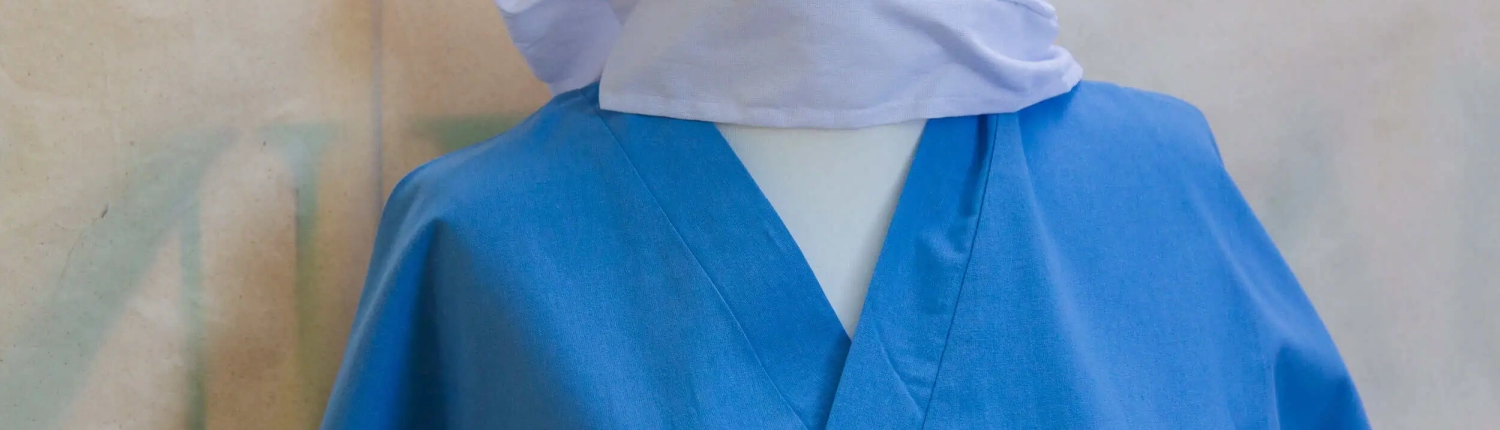
Healthcare facilities track a lot of numbers: patient volume, staffing ratios, budget lines. But one number rarely makes the list, even though it touches nearly every patient interaction: how many times a single gown gets used before it’s retired.
A single reusable gown might go through 100+ wash cycles before it’s retired. Multiply that across your full inventory, and gown management stops being a small detail, it’s an ongoing operation with real costs and real timing. Facilities that track that lifecycle catch problems before patients ever see them.
At MEDtegrity, gown lifecycle management is built into everything we do, from selection and rotation to inspection and timely replacement, so your facility never has to catch a problem after a patient already has.
A Patient Gown Has a Bigger Job Than Many People Realize
A patient gown isn’t simply another item in the linen closet. Every gown should continue to perform well each time it is placed into service.
Healthcare organizations generally expect reusable patient gowns to provide:
- Comfortable wear during examinations and procedures
- Appropriate patient coverage
- A professional appearance throughout the facility
- Durability that supports repeated use
Those expectations remain the same whether the gown is being used in a physician’s office, an imaging center, an outpatient surgery center, or a regional medical facility.
Because gowns are used so often, keeping them in good condition becomes part of maintaining a consistent standard of care.
How Do You Know When It’s Time to Replace a Patient Gown?
One common misconception is that gowns are replaced after reaching a certain number of uses.
In practice, there is no universal timeline. HLAC’s own accreditation standards require textiles to be visually inspected for stains, physical defects, and damage as the basis for whether they stay in circulation, not a fixed count of washes or uses.
Instead, healthcare facilities typically evaluate the condition of reusable gowns as part of their overall linen management program. A gown may be removed from circulation when it no longer reflects the quality the organization expects.
Examples include:
- Fabric that has become noticeably thin
- Tears or damaged seams
- Permanent staining
- Loss of shape or overall appearance
- Any condition that affects patient presentation
Replacing gowns based on condition helps maintain consistency throughout the facility instead of waiting until inventory problems become obvious.
Why One Facility’s Inventory May Look Different From Another’s
Not every healthcare organization uses patient gowns in the same way.
For example:
A family practice may need a modest inventory for scheduled examinations throughout the day.
An imaging center often requires frequent gown changes as patients move through different diagnostic procedures.
An outpatient surgery center depends on a reliable supply to support scheduled procedures and recovery.
A regional medical center may manage gown inventory across multiple departments, each with different usage patterns.
This is one reason there is no “standard” inventory that works for every healthcare organization. A successful gown program reflects how the facility actually operates.
Managing Patient Gowns Is an Ongoing Process
Building a strong gown program is not simply about ordering new inventory every few years. It requires regular review to make sure the program continues supporting daily operations.
Healthcare leaders often ask questions such as:
- Are current inventory levels still appropriate?
- Have patient volumes increased?
- Are some departments using gowns more heavily than others?
- Are older garments being replaced before quality begins affecting patient perception?
- Will our current inventory support future growth?
Looking at these questions periodically helps facilities make smaller adjustments instead of larger corrections later.
Why Experience Matters When Managing Reusable Healthcare Textiles
Reusable textiles require planning throughout their service life. That includes selecting appropriate products, maintaining dependable inventory, and knowing when replacement becomes necessary.
MEDtegrity connects healthcare organizations with a nationwide network of independently owned providers operating as HLAC Accredited or TRSA Hygienically Clean laundry facilities. Facilities within the network meet one accreditation or the other, giving healthcare organizations access to providers that understand the ongoing management of reusable healthcare textiles while following recognized healthcare laundry standards.
Rather than treating patient gowns as ordinary inventory, experienced healthcare-focused providers recognize they are an important part of supporting day-to-day patient care.
Build a Stronger Patient Gown Program With MEDtegrity
A well-managed patient gown program does not happen by accident. It comes from thoughtful planning, regular evaluation, and working with providers that understand the unique demands of healthcare environments.
If your organization is reviewing its patient gown inventory or looking for a better approach to managing reusable medical textiles, MEDtegrity can help. We connect healthcare facilities with experienced providers that support dependable linen programs designed to grow alongside your operational needs.
