
Company Blog
Surgery Center Standards: Why Your ASC Needs Hospital-Grade Accreditation
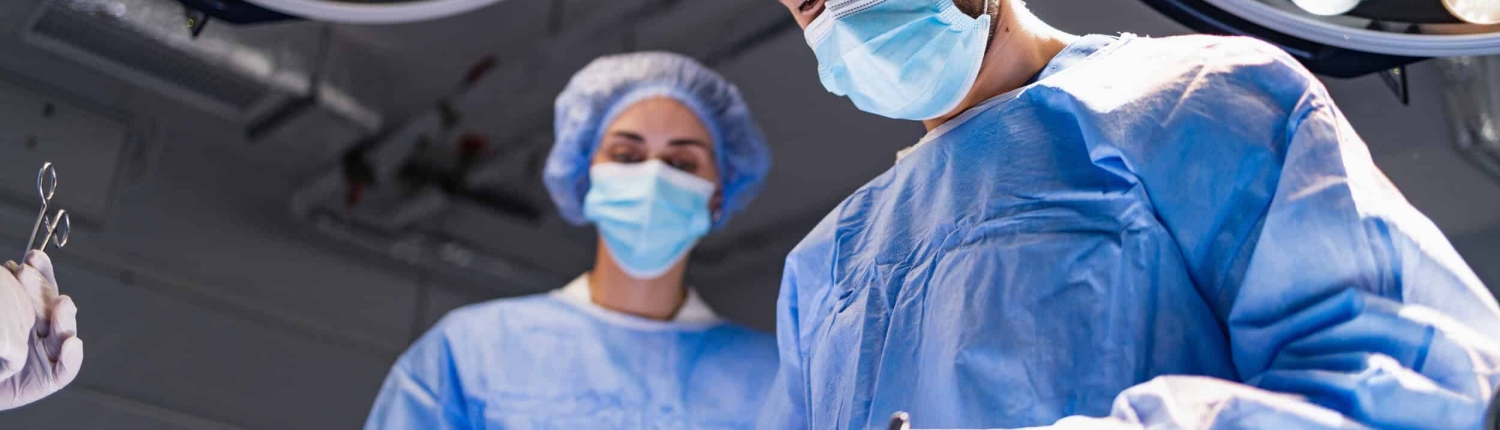
Ambulatory Surgery Centers occupy a unique position in healthcare. You’re performing complex procedures with leaner staff and faster patient turnover than traditional hospitals, which means efficiency isn’t optional. But neither is compliance.
As regulators pay closer attention to outpatient settings, surgery centers are under more scrutiny for the operational systems that support infection prevention, not just clinical care. Linen processing is one of those systems, yet it often gets treated like a routine vendor decision rather than what it actually is: a risk-management consideration.
For ASCs, your linen should meet the same standards expected in hospital settings.
Why Linen Standards Matter in Outpatient Surgery
Surgery centers handle invasive procedures, sterile fields, and post-procedure recovery every day. Linens and gowns come into contact with patients before, during, and after treatment. That contact carries responsibility.
In some markets, ASCs rely on general commercial or janitorial laundries. These providers may be capable at handling hospitality or uniform laundry, but they are not necessarily structured for healthcare textile processing. The difference is not cosmetic. It lies in workflow design, separation protocols, and documented verification.
As accreditation bodies and state regulators continue to focus on infection prevention practices, surgery centers must be prepared to explain how linens are processed and validated.
According to the Centers for Medicare & Medicaid Services (CMS), Ambulatory Surgical Centers are required to maintain infection control protocols that include proper handling and processing of linens to meet Medicare certification standards.
The Risk of Non-Accredited Laundry Providers
When a surgery center partners with a non-accredited laundry, it assumes responsibility for verifying the adequacy of that provider’s processes. If documentation is limited or procedures are not aligned with healthcare standards, that gap becomes the ASC’s liability.
Common concerns include:
- Lack of defined separation between clean and soiled textiles
- Limited documentation of wash performance
- No third-party validation of cleanliness benchmarks
- Inconsistent quality control practices
In the event of an inspection or internal audit, surgery centers may be asked to demonstrate how linens are handled and verified. Without recognized accreditation, that explanation can become more difficult.
What “Hospital-Grade” Accreditation Means
Hospital-grade accreditation in healthcare laundry refers to recognized third-party standards designed specifically for medical textiles.
MEDtegrity connects surgery centers with providers operating within a national network of HLAC Accredited or TRSA Hygienically Clean laundry facilities. Facilities within the network meet one accreditation or the other, ensuring recognized healthcare criteria are represented across regions.
- HLAC Accreditation evaluates how a laundry facility is designed and managed. It addresses workflow separation, equipment maintenance, employee practices, and operational controls specific to healthcare textiles.
- TRSA Hygienically Clean certification verifies through documented testing that textiles meet established cleanliness benchmarks appropriate for healthcare environments.
These standards provide structure and validation that general commercial laundries may not offer. According to the CDC’s Guidelines for Environmental Infection Control, proper healthcare laundry processing with validated hygiene standards is essential for preventing healthcare-associated infections.
Why ASC Leaders Should View Laundry as Risk Management
Ambulatory Surgery Centers operate under increasing scrutiny. Payers, regulators, and accrediting bodies continue to raise expectations around infection control and operational transparency.
Linen processing fits directly into that framework. It affects patient contact surfaces and staff apparel. When processed under accredited healthcare standards, linens become part of a documented system designed to support patient safety.
When processed under non-healthcare laundry standards, linen management becomes a variable that may be harder to defend during review.
For ASC administrators, the decision is less about convenience and more about preparedness.
Supporting Consistency Across Procedures and Shifts
Surgery centers depend on predictable workflows. Linen shortages or quality inconsistencies disrupt surgical schedules and recovery processes.
Working with accredited providers helps establish clearer expectations around:
- Processing standards
- Delivery performance
- Quality verification
- Documentation availability
This consistency supports both clinical teams and compliance officers.
How MEDtegrity Supports Surgery Centers
MEDtegrity does not operate as a single centralized laundry. Instead, it connects healthcare organizations with independently operated providers that meet recognized healthcare laundry standards. This model allows surgery centers to access accredited services while maintaining local responsiveness.
Facilities within the network operate as HLAC Accredited or TRSA Hygienically Clean laundry facilities, aligning with established healthcare criteria without requiring ASCs to manage accreditation oversight themselves.
For outpatient surgery centers, this structure provides access to hospital-grade expectations while preserving flexibility.
Preparing for a Higher Standard of Oversight With MEDtegrity!
Regulatory expectations are unlikely to ease in outpatient settings. Surgery centers that proactively align linen processing with recognized healthcare standards reduce uncertainty and strengthen their compliance posture.
Ambulatory surgery center linen is not just inventory. It is part of the environment patients experience during some of their most vulnerable moments.
If your ASC is reviewing its linen program, MEDtegrity can help. Call us today and speak with one of our team members.
